


BATNA or Bad Faith? When a party to a workplace mediation tells you they are already looking for another job
You are doing an intake with one of the parties to a workplace mediation. Somewhere in the conversation they tell you, almost as an aside, that they are already looking for other roles. They have mentally checked out. They are hoping that by the time

When Parents Disagree About Neurodivergence Assessment: What Mediators Need to Understand
When parents come to mediation disagreeing about whether their child should be assessed for neurodivergence, or whether an existing diagnosis is valid, the presenting issue rarely captures what’s actually happening. On the surface, it looks like a healthcare dispute. Two adults disagree about a medical

The Inside Job: What No One Tells You About Being an In-House Mediator
Interest in workplace mediation has grown sharply in recent years. It is not surprising that some larger organisations are looking to develop this capability in-house. What is less often discussed is how much harder it is to do well than it looks. There is a
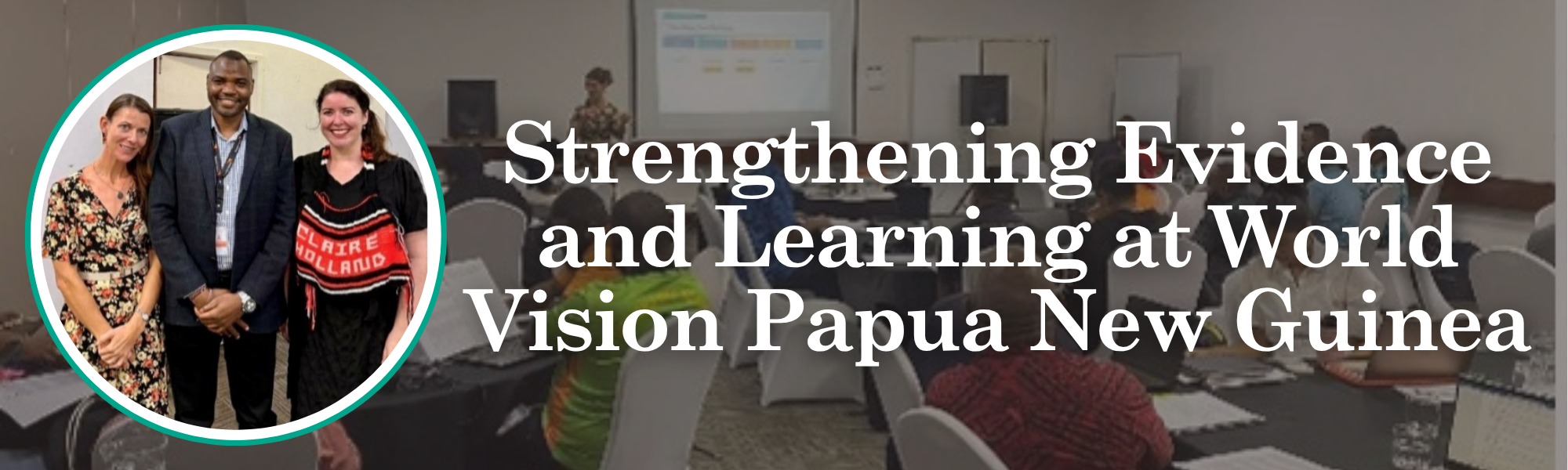
Strengthening Evidence and Learning at World Vision Papua New Guinea
Dr Judith Herrmann-Rafferty, Paul KIGGWE, & Dr Claire Holland Over the past 14 months, Dr Claire Holland has served as Monitoring, Evaluation, Accountability and Learning (MEAL) Advisor and Mentor with World Vision Papua New Guinea (WVPNG) in Port Moresby, leading a series of multi-day Learning

When Racism Shows up in the Mediation Room
I remember a conversation with a mediator who told me, quietly and almost apologetically, that they felt unprepared to manage conversations where racism sat just beneath the surface. They were confident with commercial disputes, workplace clashes, and even heavy family breakdowns. But when an intake
When “Helpful” Framing Does Harm: A Response to the High Conflict Institute on Autism and Conflict
I recently came across a blog post from The High Conflict Institute titled Autism Spectrum Disorder and High Conflict Personalities: Working with Cultural Differences. It is presented as practical guidance for conflict professionals working with autistic parties. It is well-intentioned. It is also, in significant