The adjustment request that arrived too late. The complaint about the colleague who “doesn’t fit”. The performance file that tells one story and the employee who tells another. This course shows you what is going on underneath these disputes, and what to do about it.
Online, self-paced · Video lessons with downloadable resources · CPD hours available · Price in AUD

Who this course is for
Mediators, conflict coaches, HR and employee relations practitioners, workplace investigators, employment lawyers, union representatives and managers who are asked to resolve conflict involving a neurodivergent employee, and who want to do it well rather than just get through it.
You do not need to be a neurodiversity specialist. You need to work with workplace conflict and want to understand why these cases run the way they do.
Prerequisite: This is the third course in our Working with Neurodivergent Clients in Conflict series. We recommend completing the Foundations course first, which covers masking, the double empathy problem and the neurodivergent experience of conflict in depth.
Why these disputes are different
Workplace conflict involving neurodivergent people is growing, and most of it never reaches a published decision. UK employment tribunal cases referencing neurodiversity almost doubled between 2020 and 2025. Published Fair Work Commission decisions referencing autism, ADHD or neurodivergence doubled from 2024 to 2025. The best Australian data we have shows neurodivergent employees experiencing workplace conflict at about twice the rate of their colleagues.
These cases arrive in familiar packaging: performance management, misconduct, bullying, a disputed adjustment. Underneath, there are commonalities. An employee who could not read the unwritten rules of the workplace. A manager who read directness as attitude and overload as underperformance. Years of masking that hid the need for an adjustment until a crisis forced disclosure. Colleagues who noticed an arrangement they were not allowed to be told about, and filled the gap with a story.
Neither side is acting in bad faith. Both are misreading each other. If you walk into these disputes with the standard frameworks, you will spend your time adjudicating who was reasonable. This course gives you a different approach: helping the parties see how the work environment itself is producing the conflict, and what could change.

What is inside
The scope of the course, the double empathy problem at work, and the vocabulary: adjustments, accommodations and flexibility, and why the words matter.
Neurodiversity at work. What work is like for neurodivergent employees before anything goes wrong. Who is in the workforce and what is changing in policy. The unwritten job description and the nine categories of rules nobody writes down. Hostility to difference, how common it is and the disbelief loop it produces. Cross-neurotype misunderstanding and what managers do not know. Poor work design and the reliance on individual coping. Masking at work and the visibility loop that turns it into the disputes you see.
What an inclusive workplace looks like. The two layers: flexibility for everyone and adjustments for the person, and how widening the first shrinks the second. Psychological safety, job crafting and why most adjustments never get requested.
How conflict arises. The recurring conflict patterns to recognise. The disclosure dilemma as the origin of most adjustment disputes. How adjustment requests escalate into formal conflict. Coworker dynamics and the confidentiality bind, with a scenario you will recognise.
The hard cases. When universal flexibility runs out of road. When adjustment becomes blanket allowance. When adjustments compete. Conduct, manifestation and discipline. Responding in the moment and analysing afterwards.
The law. What the Disability Discrimination Act and the Fair Work Act actually require, and the folk theory that drives most disputes. The Australian landscape and what the cases teach, with a downloadable case bank of the decisions practitioners should know. Why neurodivergent cases are the hard cases.
Practitioner tools. Five questions for assessing an adjustment request, in order. A framework for analysing incidents and patterns. Mediating these disputes. Closing thoughts.
What you will be able to do
By the end of the course you will be able to:
01
Separate the actual job from the cultural performance of the job, and see when “not a good fit” means cultural conformity rather than capability.
02
Recognise the five recurring patterns in these disputes before they harden into formal processes: late disclosure, the request treated as a threat, behaviour read as misconduct, resentment of visible adjustments, and the slide towards resignation.
03
Hold the diagnostic frame as context rather than conclusion, so you neither excuse everything with a diagnosis nor dissolve it into generic flexibility.
04
Work through the three hard cases practitioners most often get wrong: when flexibility for everyone is not enough, when an adjustment becomes a blanket allowance, and when two employees’ adjustments collide.
05
Explain what Australian law actually requires on reasonable adjustments, where disputes go, and why neurodivergent cases are the hard cases for a framework built around ramps.
06
Assess an adjustment request with five questions in the right order, starting with the barrier and ending with what refusal would cost.
07
Explain what Australian law actually requires on reasonable adjustments, where disputes go, and why neurodivergent cases are the hard cases for a framework built around ramps.
08
Assess an adjustment request with five questions in the right order, starting with the barrier and ending with what refusal would cost.
How the course works
Watch lessons in any order, though they build on each other. Each lesson runs for approximately ten to fifteen minutes.
Resources include the Australian case bank, the five questions framework and the incident analysis framework.
Reflection questions, a certificate of completion and CPD hours can be included. You have twelve months of access.
Your instructor
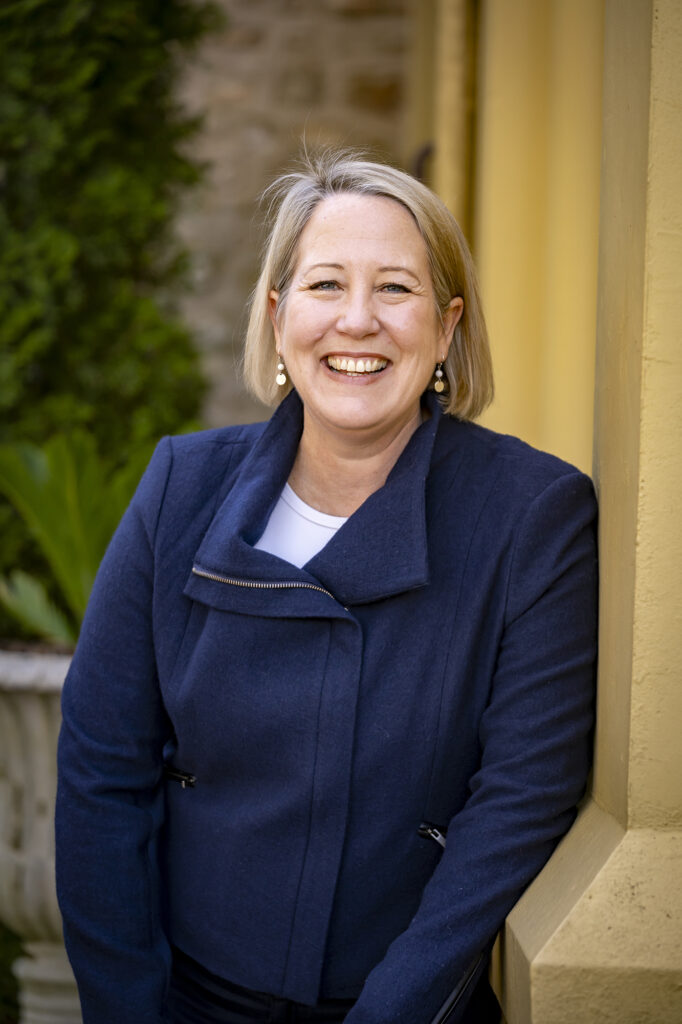
Dr Samantha Hardy is the Director and Lead Trainer of The Conflict Management Academy. She has worked in conflict resolution for more than thirty years as a mediator, conflict coach, trainer and researcher, and holds a PhD in conflict narratives. She is the founder of the REAL Conflict Coaching System, author of Conflict Coaching Fundamentals (Routledge, 2021), and received the 2021 Resolution Institute Award for Service to Dispute Resolution and the 2022 Conflict Coach of the Year award. Her current work focuses on making conflict resolution practice inclusive of neurodivergent people.
The series
This course is the third in the Working with Neurodivergent Clients in Conflict series.

Foundations
Neurodivergent experiences of conflict: masking, cognitive load, the double empathy problem and practitioner reflexivity.
Explore Foundations →
Family Conflict
Neurodivergence in separation, parenting disputes and family dispute resolution.
Explore Family Conflict →
Workplace Conflict
Adjustment disputes, performance and conduct processes, bullying complaints and the law.
View this course →
Enrol
[Price] AUD. [CPD hours.] [Access period.]
Questions about whether this course is right for you?
All CMA products and services are intended for general education and information purposes only. The course does not provide legal advice.