We all say we reality test. Do we mean the same thing?
We all say we reality test. Do we mean the same thing?
Ask a room of mediators who uses reality testing and almost every hand goes up. In one Australian study, 96% of the mediators who responded said they use it. The same study found they had very different ideas about what it is, why it matters and how to do it.
Australia’s national standards (AMDRAS) say mediators must use reality testing fairly, ground it in context and make sure it does not undermine self-determination. The standards do not define the term.
In this webinar, Dr Samantha Hardy takes that one familiar term apart. You will see how many different practices the one label covers. You will also learn a method you can use to reflect deeply on any other part of your practice
About this webinar
Mediators tend to describe their work in broad terms: impartial, voluntary, confidential. We also list what we do not do. We do not take sides, decide the outcome or force an agreement.
Research by Professor Elizabeth Stokoe found that this does little to win over people who are thinking about mediation. The mediators who got the most engagement were specific about what they do and how it helps.
Experience is part of the reason. Skilled mediators work the way skilled drivers drive. Most of it happens without thinking. That is a strength, but it makes our own practice hard to see and hard to explain.
The webinar introduces semantic decomposition, a tool from linguistics. The name is clumsy but the idea is simple. You break a complex concept into smaller parts of meaning, then look at each part. Dr Hardy applies it to reality testing through six sets of questions.
Pin the concept down. What do we mean by “reality”? What do we mean by “testing”? Who decides what is real?
Actors and actions. Who does the testing: the mediator, the lawyer or the party? What would we see them do?
Wants and purposes. What are you trying to achieve when you reality test? What are you trying to prevent?
Thoughts and feelings. What prompts you to do it? How might the person on the receiving end feel?
Assumptions and evaluations. What has to be true for reality testing to be the right choice? Whose view of reality counts?
Boundaries. Where does reality testing end and giving advice begin? What does a poor version look like?
Why “radical transparency”?
In this webinar, radical transparency means being honest with yourself about what you do and why. Clients do not need every detail.
Dr Hardy argues that mediators should become much more conscious of the detail of their own practice. That helps you make better choices when a mediation gets difficult. It also helps you compare notes with other mediators and explain your work to clients and students.
What you will take away
1
A set of questions you can use to examine any concept or intervention, such as reframing, confidentiality, setting an agenda, the private session or calling a short break
2
A clearer picture of what you do when you reality test, what prompts you to do it and what you hope it will achieve
3
Ways to adjust your reality testing to suit the context and reduce the chance of resistance
4
Plainer words for describing your practice to clients, students and the people you mentor
5
Two reflective exercises: writing your own description of a concept, and explaining it to a first-time client in four plain sentences
Who this webinar is for
Experienced mediators who want to look closely at habits they no longer notice
Trainers, mentors and supervisors who need to explain mediation concepts clearly
Newer mediators who want more than the training manual definition
Any practitioner who wants a structured activity for reflective practice
About your trainer:
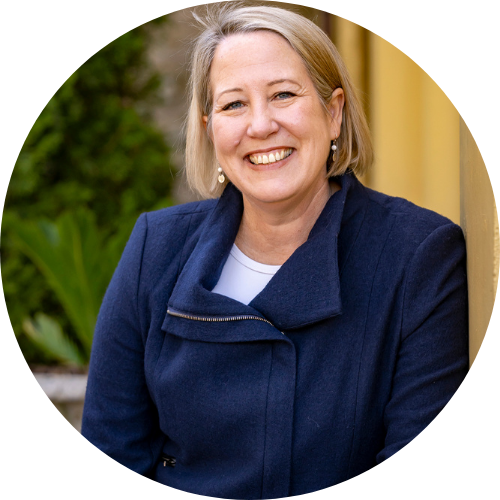
Dr Samantha Hardy is the Director and Lead Trainer of The Conflict Management Academy. She is an AMDRAS accredited mediator, a Certified Transformative Mediator and a Certified Narrative Coach. She founded the REAL Conflict Coaching System™ and wrote Conflict Coaching Fundamentals (Routledge, 2021).
Sam has studied law, linguistics, French and psychology, and calls herself a word nerd. She received the 2021 Resolution Institute Award for Service to Dispute Resolution. She was named Conflict Coach of the Year at the 2022 Australian Dispute Resolution Awards.
Get access
Watch in your own time and come back to it as often as you like.